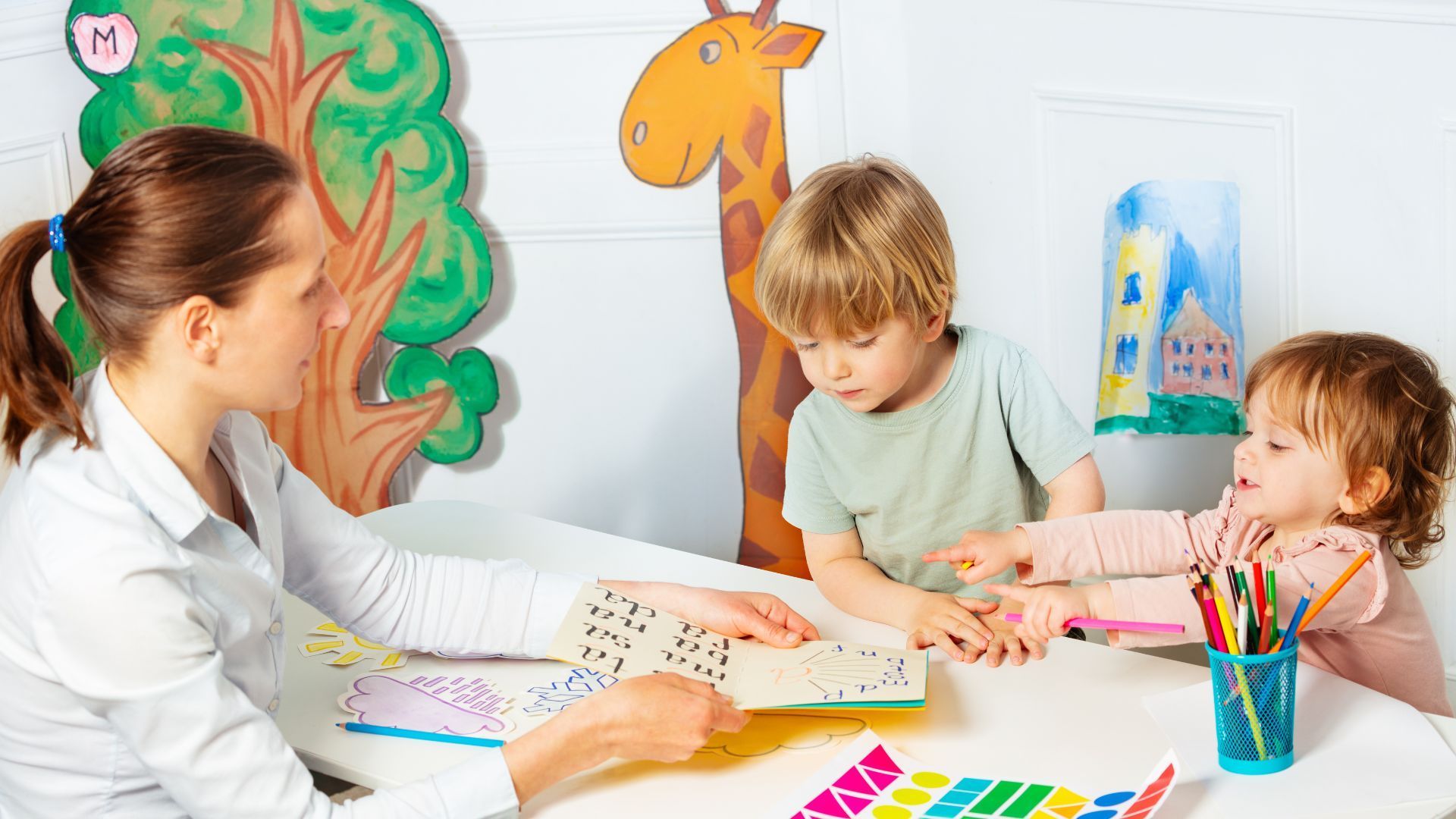
What to Expect During Your Child's First ABA Session?
If you're preparing for therapy, you may be wondering what to expect during your child’s first ABA session. For many parents, this first step can feel both hopeful and uncertain. Understanding what happens during this initial session can help ease anxiety and set realistic expectations.
A first ABA therapy session for child is designed to build trust, assess developmental needs, and begin creating a personalized plan. It’s not about perfection—it’s about connection, observation, and laying the foundation for long-term success.
What Is an ABA Therapy Session?
Applied Behavior Analysis (ABA) therapy is an evidence-based approach used to improve communication, behavior, and daily living skills in children with autism and developmental delays.
Key Goals of ABA Therapy
- Improve communication and language skills
- Develop social interaction abilities
- Teach daily living and independence skills
- Reduce challenging behaviors
Each session is tailored to the child’s unique needs, making therapy both structured and flexible.
What to Expect During Your Child’s First ABA Session
The what to expect during your child’s first ABA session process focuses on building comfort and gathering important information rather than jumping straight into structured teaching.
1. Initial Introductions and Rapport Building
The therapist will begin by getting to know your child in a calm, friendly way. This step is essential for building trust.
You may notice the therapist:
- Playing with your child
- Observing how they interact with toys
- Using simple communication to engage them
This helps the child feel safe and comfortable in a new environment.
2. Observation and Assessment
A major part of the first ABA therapy session for child involves observing behaviors, communication, and developmental skills.
Therapists may assess:
- Communication abilities (verbal or nonverbal)
- Social interaction and eye contact
- Play skills
- Ability to follow instructions
- Behavioral responses
This information helps guide future therapy sessions.
3. Parent or Caregiver Discussion
Parents play a key role in the therapy process. During the first session, therapists often ask questions to better understand your child.
Common topics include:
- Developmental history
- Current concerns or challenges
- Daily routines
- Goals for therapy
This collaboration ensures therapy aligns with your child’s needs and your family’s priorities.
4. Introduction to Simple Activities
Depending on the child’s comfort level, the therapist may introduce simple, structured activities.
These might include:
- Matching games
- Basic instructions (e.g., “sit,” “come here”)
- Turn-taking activities
The goal is not mastery but to see how your child responds to guidance and reinforcement.
5. Use of Positive Reinforcement
Even in the first session, therapists begin using positive reinforcement to encourage engagement.
Examples include:
- Verbal praise
- Toys or preferred items
- Small rewards
This helps create a positive association with learning.
How to Prepare for Your Child’s First ABA Session
Preparation can help your child feel more comfortable and make the experience smoother.
1. Talk About It in Simple Terms
Explain the session in a way your child can understand:
- “You’re going to meet a new friend who will play with you.”
2. Bring Comfort Items
Familiar objects like a favorite toy or blanket can help reduce anxiety.
3. Share Important Information
Provide therapists with details about:
- Triggers or sensitivities
- Preferred activities
- Communication style
4. Keep Expectations Realistic
The first session is about observation and connection—not immediate results.
5. Stay Calm and Positive
Children often mirror emotions. A calm attitude can help your child feel secure.

What Happens After the First Session?
After the initial session, the therapist uses gathered data to develop a personalized treatment plan.
This plan typically includes:
- Specific skill-building goals
- Behavior intervention strategies
- Session frequency and structure
- Progress tracking methods
Therapy then becomes more structured while still adapting to your child’s progress.
Benefits of a Strong First ABA Session
A positive start sets the tone for long-term success.
Key Benefits Include:
- Building trust between child and therapist
- Establishing a comfortable routine
- Identifying strengths and challenges
- Creating a customized therapy plan
This foundation is essential for effective and meaningful progress.
Practical Tips for Parents During Early Sessions
1. Be Patient
Progress takes time. Focus on small improvements.
2. Stay Involved
Ask questions and stay engaged with your child’s therapy plan.
3. Reinforce Skills at Home
Practice simple tasks and encourage positive behaviors outside sessions.
4. Communicate With Therapists
Regular updates help ensure therapy remains effective and aligned with your goals.
Frequently Asked Questions
1. How long is the first ABA therapy session?
The first session typically lasts 1 to 2 hours, depending on the provider and the child’s needs.
2. Will my child be expected to follow instructions right away?
No. The focus is on comfort and observation, not strict compliance.
3. Can parents stay during the session?
Yes, many providers encourage parent involvement, especially during the initial sessions.
4. What if my child feels overwhelmed?
Therapists are trained to adjust the session pace and create a supportive environment.
5. How soon will therapy become structured?
After the initial assessment, structured sessions usually begin once a personalized plan is developed.
Conclusion
Understanding what to expect during your child’s first ABA session can help you approach this important step with confidence and clarity. The first session is not about immediate change—it’s about building trust, understanding your child’s needs, and creating a strong foundation for future progress.
A thoughtful and supportive start can make a meaningful difference in your child’s therapy journey, setting them up for success in communication, behavior, and daily life skills.
Start Your Child’s Journey With Confidence
Ready to take the next step? Contact us today to connect with our experienced ABA professionals and learn how we can support your child’s growth, build confidence, and create a personalized path toward lasting success.