Can ABA Therapy Be Provided at Home in Huntsville, AL?
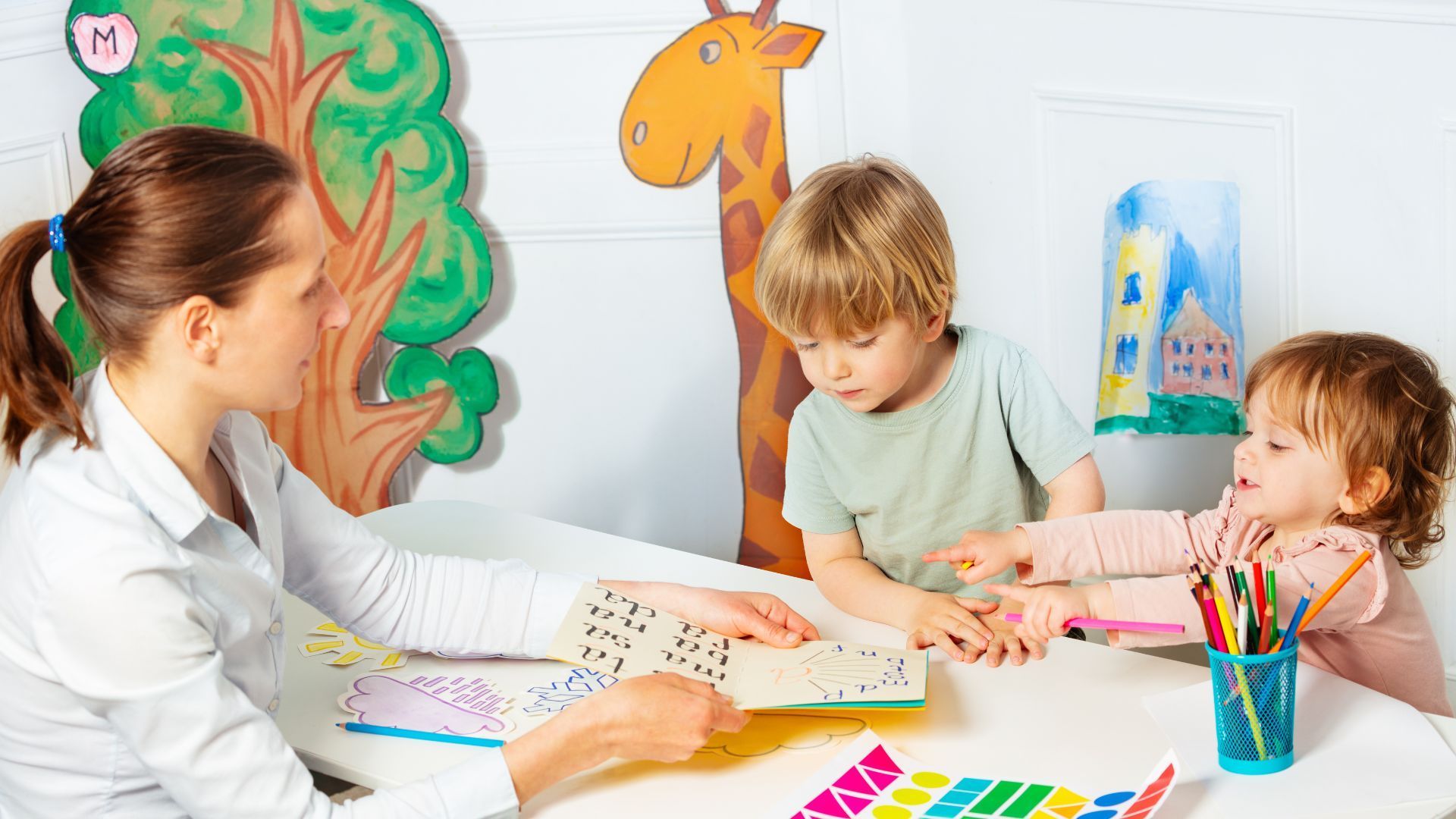
When your child needs additional developmental support, you may wonder whether therapy can happen in the place where your family feels most comfortable: home. For parents exploring ABA therapy in Huntsville, AL, the good news is that ABA therapy can be provided at home when this setting is appropriate for the child's needs and treatment goals.
In-home Applied Behavior Analysis (ABA) therapy allows children to learn and practice skills during familiar routines, such as mealtimes, play, getting dressed, and preparing for bed. Instead of focusing only on what happens during a therapy session, the approach connects learning to everyday situations that matter to your family.
At Everything On The Spectrum (EOTS), we believe every child deserves individualized care that considers their strengths, communication needs, family priorities, and long-term independence. You do not have to navigate these decisions alone. Understanding how home-based ABA works can help you decide which type of support may be right for your child.
What Is In-Home ABA Therapy?
In-home ABA therapy is an evidence-based service delivered in a child's home. A qualified therapy team uses an individualized treatment plan to help the child develop meaningful skills and practice them in their everyday environment.
The specific goals depend on the child's assessment and needs. They may include communication, social interaction, daily living skills, navigating transitions, or learning ways to participate more independently in family routines.
For example, a therapist may help a child practice requesting a preferred snack, following a familiar sequence of activities, participating in cleanup, or communicating when they need help. These activities provide opportunities to practice skills in the settings where the child will use them.
For a closer look at how this approach works, read EOTS's article on the benefits of in-home ABA therapy for Huntsville families.
What Are the Benefits of In-Home ABA Therapy?
Every child learns differently, so home-based therapy is not automatically the best choice for every family. However, learning in a familiar environment can offer several valuable opportunities.
1. Children Can Practice Skills During Everyday Routines
Home is where many important life skills are used every day. In-home ABA therapy gives children opportunities to practice these skills in context rather than learning them only in a structured setting.
Depending on the child's goals, sessions may incorporate activities such as:
- Morning routines: Practicing steps involved in getting ready for the day.
- Mealtimes: Communicating preferences, requesting items, or participating in familiar routines.
- Playtime: Practicing shared attention, turn-taking, and interaction.
- Daily living activities: Developing skills related to dressing, hygiene, or cleanup.
- Transitions: Learning ways to move between activities with appropriate support.
These are examples, not a standard checklist for every child. A treatment team should select goals based on the child's individual needs and family priorities.
The broader purpose is to help children use the skills they learn in meaningful, everyday situations.
2. Therapy Can Reflect Your Family's Routines
Every household is different. Families have their own schedules, routines, priorities, and challenges.
In-home ABA therapy allows the team to consider those details when planning treatment. A strategy that works for one family may need to be adapted for another, and an individualized approach makes room for those differences.
Parents can also share observations about situations that are challenging or skills they would like their child to develop. This information helps the team understand the child's daily experiences and identify practical goals.
At EOTS, we believe ABA therapy should never be cookie-cutter. Each plan should reflect the child behind the data and the family supporting that child.
3. Parents and Caregivers Can Participate in Learning
Caregiver involvement is an important part of helping skills carry over beyond therapy sessions.
When appropriate, parents can observe strategies, ask questions, and practice ways to support their child's goals during everyday activities. This does not mean parents are expected to become therapists or manage every challenge perfectly. It means they have opportunities to learn practical approaches and receive guidance from the treatment team.
Caregiver collaboration can help families feel more informed and confident as they support their child's development.
Learn more in Why Is Parent Training Important for Children With Autism?, which explains how caregiver training can help children practice skills outside formal therapy sessions.
4. Children Can Learn in a Familiar Environment
Some children may feel more comfortable beginning certain activities in a familiar setting. Home-based sessions can give therapists opportunities to observe how a child interacts with their surroundings and approaches everyday routines.
This familiarity may be helpful when working on specific goals at home. However, a child's comfort and learning needs vary, and a familiar environment does not guarantee that home-based therapy will be the right fit.
A thoughtful provider will consider your child's preferences, assessment results, and treatment goals before recommending a setting.
What Skills Can Children Develop Through Home-Based ABA?
In-home ABA therapy can address a range of developmental goals. The exact focus should come from an individualized assessment rather than a standard program applied to every child.
Communication Skills
Children may work on expressing wants, needs, choices, and preferences. Depending on their communication abilities, this might involve spoken words, gestures, pictures, or augmentative and alternative communication (AAC).
The aim is to support meaningful communication so children have more ways to express themselves and connect with others.
Daily Living and Adaptive Skills
Everyday activities can provide opportunities to practice skills that support greater participation and independence. Goals may involve parts of a dressing routine, hygiene activities, putting away belongings, or completing familiar tasks with less assistance over time.
Progress may happen in small steps. Each step should be appropriate for the child and connected to a meaningful goal.
Social Interaction and Play
Home-based sessions may incorporate play and interactions with family members to practice skills such as taking turns, sharing interests, responding to others, or participating in an activity together.
Rapport and enjoyment matter. Learning should respect the child's interests and create opportunities for positive connection.
Transitions and Behavior Support
Changes between activities can be challenging for some children. An ABA team can assess what may be contributing to those difficulties and develop individualized strategies to support the child.
The goal is not to label a child's behavior as bad or difficult. It is to understand the child's needs, teach useful skills, and help the family respond in ways that support safety, communication, and participation.
Is In-Home ABA Therapy Better Than Clinic-Based Therapy?
Not necessarily. Both settings can offer valuable learning opportunities, and the right choice depends on the child.
In-home therapy can be useful when goals involve household routines, daily living skills, or practicing communication in familiar situations. Clinic-based therapy may offer a more structured learning environment and opportunities to practice skills with peers or access specialized learning resources.
Some children may benefit from one setting, while others may benefit from a combination of settings when appropriate and available.
The decision should consider:
- Your child's developmental needs and learning preferences.
- The skills being targeted in the treatment plan.
- Opportunities to practice those skills in everyday life.
- Your family's schedule and priorities.
- Opportunities for social interaction across different environments.
- The services and settings available through the provider.
For a more detailed comparison, read In-Home vs. Clinic-Based ABA Therapy: Which Is Right for Your Child?.
The most important question is not which setting is universally better. It is which environment and treatment approach best support your child's goals.
How Do You Get Started With In-Home ABA Therapy in Huntsville, AL?
If you are considering home-based ABA, start by speaking with a provider about your child's needs and your family's priorities.
Step 1: Discuss Your Concerns and Goals
Share what you have observed about your child's communication, daily routines, social interaction, and areas where additional support may be helpful. You can also discuss the activities your child enjoys and the skills you hope they will develop.
You do not need to arrive with every answer. Your observations and questions are a valuable starting point.
Step 2: Ask About the Assessment Process
Ask how the provider evaluates your child's strengths and support needs. The assessment should help guide an individualized treatment plan rather than simply place your child into a predetermined program.
Step 3: Understand the Treatment Plan
Ask which goals are being prioritized, how progress will be measured, and how the team will explain its recommendations. You should understand why each goal matters and how it relates to your child's everyday life.
Step 4: Discuss Family Involvement
Ask how caregiver training and communication with the treatment team will work. Find out how the provider will help you understand strategies and support your child's goals between sessions.
Step 5: Review Progress Together
Treatment plans should be reviewed as your child develops new skills and their needs change. Open communication helps the family and clinical team discuss what is working, what needs adjustment, and what the next steps should be.
For more information about support for families in the area, see How Does Our ABA Center Support Families in Huntsville, AL?.
Why Early Support and Family Collaboration Matter
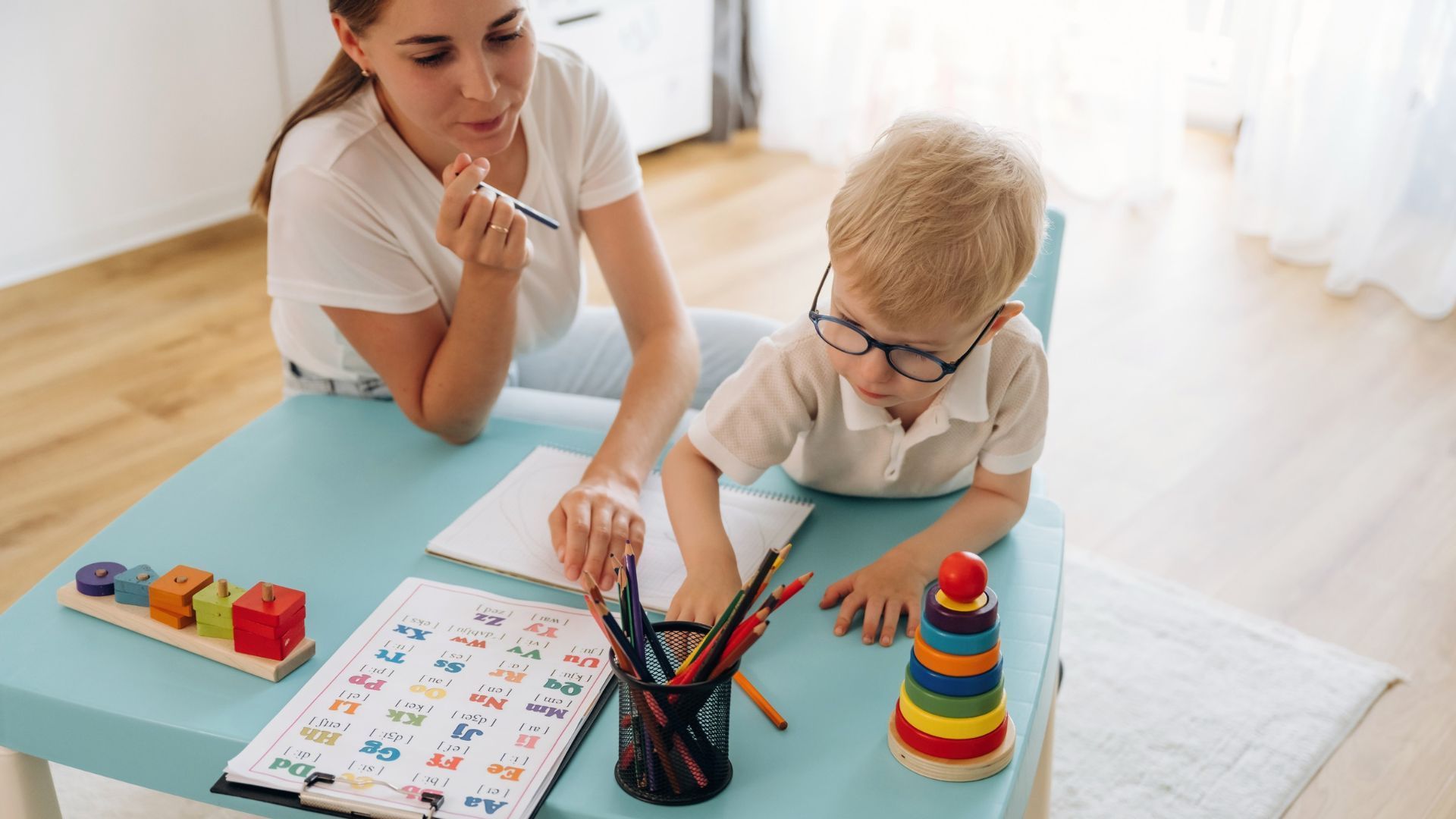
Parents sometimes feel pressure to have everything figured out before seeking support. But you can ask questions and explore available services while you are still learning about your child's needs.
Early support may offer opportunities to identify developmental priorities and begin working on meaningful skills. The right plan should reflect the child's individual profile and the family's circumstances, without making promises about a particular timeline or outcome.
If you are exploring services for a young child, EOTS also shares guidance in Why Early Intervention Matters for Huntsville Families.
Across any setting, collaboration remains essential. Parents, therapists, educators, and other professionals may each have useful observations that help support the child. When everyone works toward appropriate, shared goals, children have more opportunities to use their skills in the places where they live, learn, and connect.
Frequently Asked Questions About In-Home ABA Therapy
Can ABA therapy be provided at home in Huntsville, AL?
Yes. EOTS lists home-based ABA therapy among its services. Home-based sessions can help children practice individualized skills in familiar surroundings and everyday routines. A provider can discuss whether this setting is appropriate for your child's needs and goals.
What happens during an in-home ABA therapy session?
Activities depend on the child's treatment plan. A session may involve communication practice, play, daily living routines, transitions, or other individualized goals. The therapist uses planned strategies and monitors progress to help determine what support is appropriate.
Do parents need to participate in every session?
The expected level of caregiver participation depends on the treatment plan and provider's approach. Families should ask how caregiver training is included and how they can support the child's goals at home. At EOTS, caregiver training is an essential part of its approach to helping skills carry over into everyday life.
Is home-based ABA therapy suitable for every child?
No single setting is right for every child. Home-based, clinic-based, community-based, or combined approaches may be considered depending on the child's needs, goals, and available services. An individualized assessment can help guide that decision.
How does in-home ABA therapy support independence?
Children may practice skills such as communicating needs, participating in routines, completing daily tasks, and requesting help. Treatment should focus on meaningful goals that help each child participate as independently as possible, with support suited to their needs.
Explore In-Home ABA Therapy With Everything On The Spectrum
Yes, ABA therapy can be provided at home in Huntsville, AL. For some families, it offers valuable opportunities to connect learning with daily routines, strengthen caregiver collaboration, and help children practice meaningful skills in familiar surroundings.
At Everything On The Spectrum, our approach centers on the whole child. We value evidence-based care, open communication, individualized goals, and the connection between therapists and families. Above all, we keep independence in view—not as a demand that every child develop in the same way, but as a commitment to helping each child build skills that matter in their own life.
If you are exploring home-based ABA therapy, contact Everything On The Spectrum to discuss your child's needs and learn more about available services. You deserve clear answers, a supportive team, and a plan that respects your child and your family.