What Is ABA Therapy and How Does It Help Children With Autism?
Learning that your child may benefit from autism support can bring a lot of questions. You may have heard about ABA therapy but still wonder what it actually involves, whether it is right for your child, and what progress might look like.
If you're feeling daunted or unsure about where to begin, you're not alone.
At Everything On The Spectrum (EOTS), we believe families deserve clear answers without unnecessary clinical jargon. ABA therapy should be evidence-based, compassionate, individualized, and focused on the child—not simply on a diagnosis or a list of behaviors.
Our philosophy is built around one central goal: independence.
We don't want to simply do things for children. We want to teach them how to do things for themselves.
What Is ABA Therapy?
ABA stands for Applied Behavior Analysis. It is an evidence-based approach that uses principles of learning and behavior to teach meaningful skills and address barriers that may interfere with a child's ability to learn, communicate, participate, or become more independent.
ABA can be used to support a wide range of skills, including:
- Communication
- Social interaction
- Adaptive and daily living skills
- Learning readiness
- Emotional regulation
- Behavior
- Independence
Importantly, ABA should not look the same for every child.
At EOTS, we reject one-size-fits-all ABA. Each child's treatment plan is a customized roadmap based on the child's needs and the priorities of the family.
How Does ABA Therapy Work?
ABA therapy begins by understanding the individual child.
Rather than immediately focusing on what a child is doing, clinicians look at the broader picture:
- What skills does the child already have?
- What skills are still developing?
- What motivates the child?
- What barriers are making learning difficult?
- What does the family want their child to accomplish?
- How can these skills contribute to greater independence?
From there, the therapy team establishes measurable goals and develops strategies to help the child learn.
Assessment and Individualized Goals
An assessment helps identify areas of strength and areas where additional support may be helpful.
Goals might involve learning to:
- Request a preferred item
- Communicate a need
- Follow a routine
- Transition between activities
- Participate in play
- Interact with peers
- Complete a daily living task
Rather than trying to accomplish everything at once, EOTS focuses on small stepping stone goals that create a manageable path toward bigger-picture independence.
Teaching and Practicing Skills
Once goals are established, therapists create opportunities for children to practice those skills.
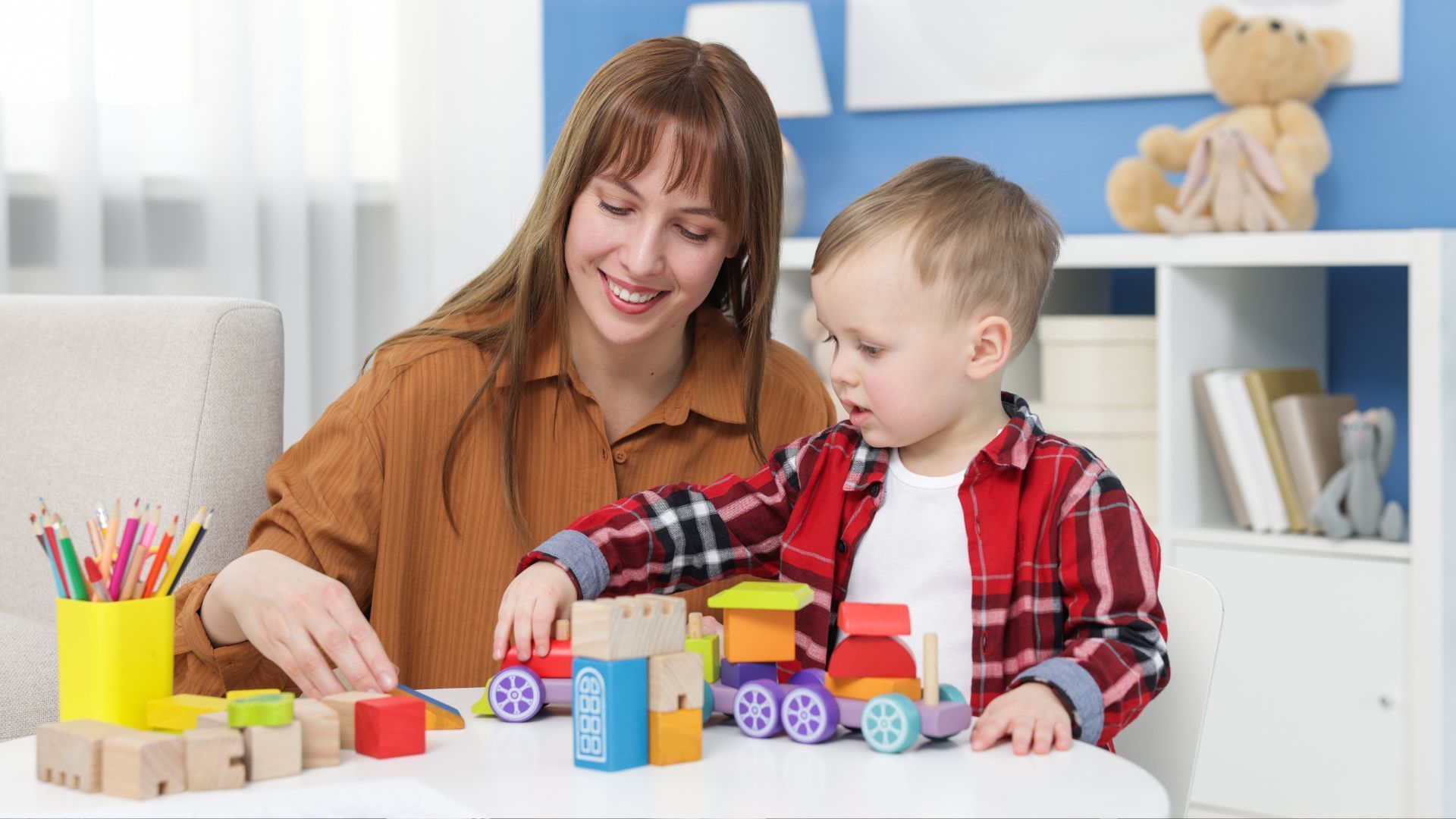
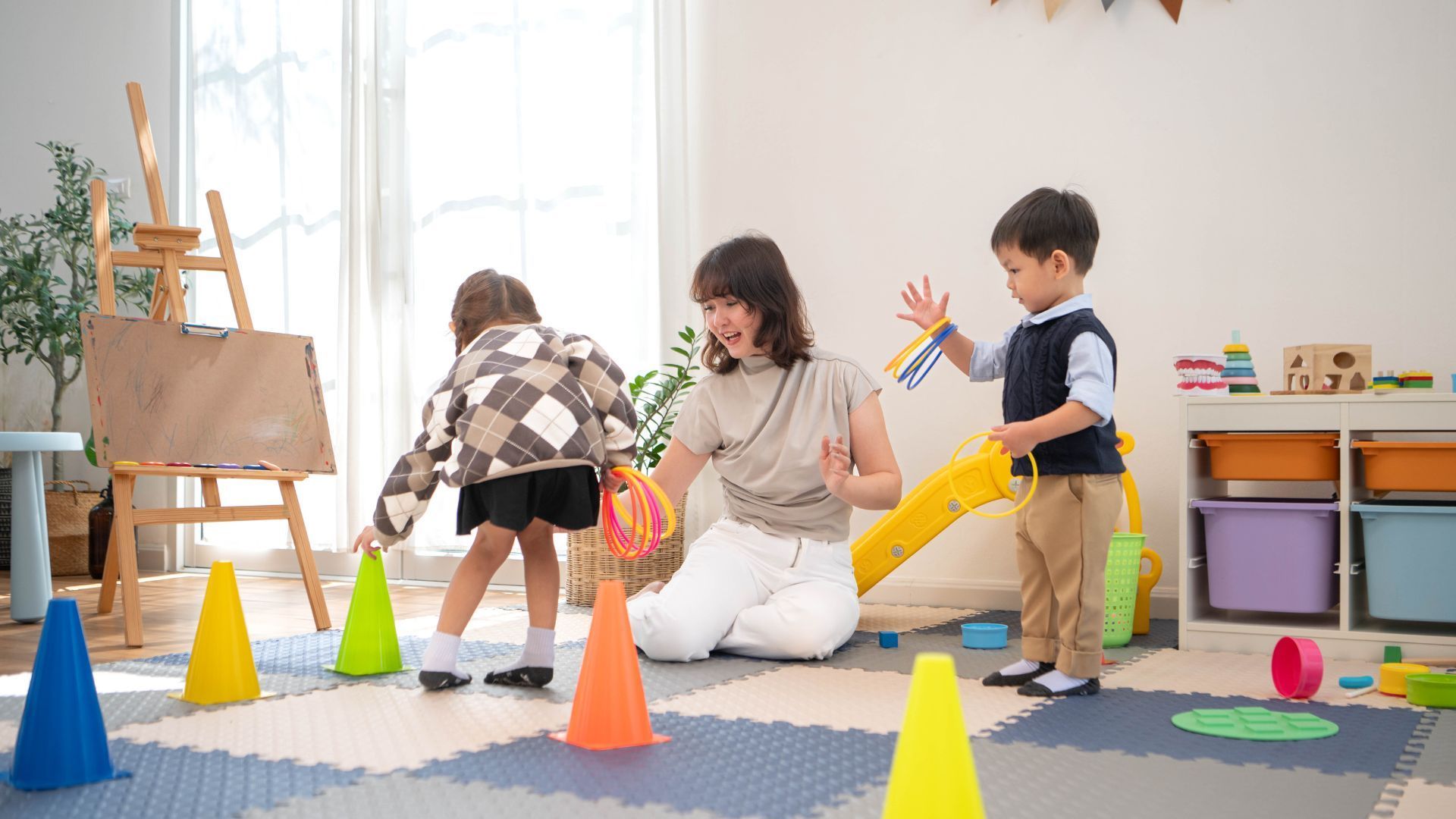
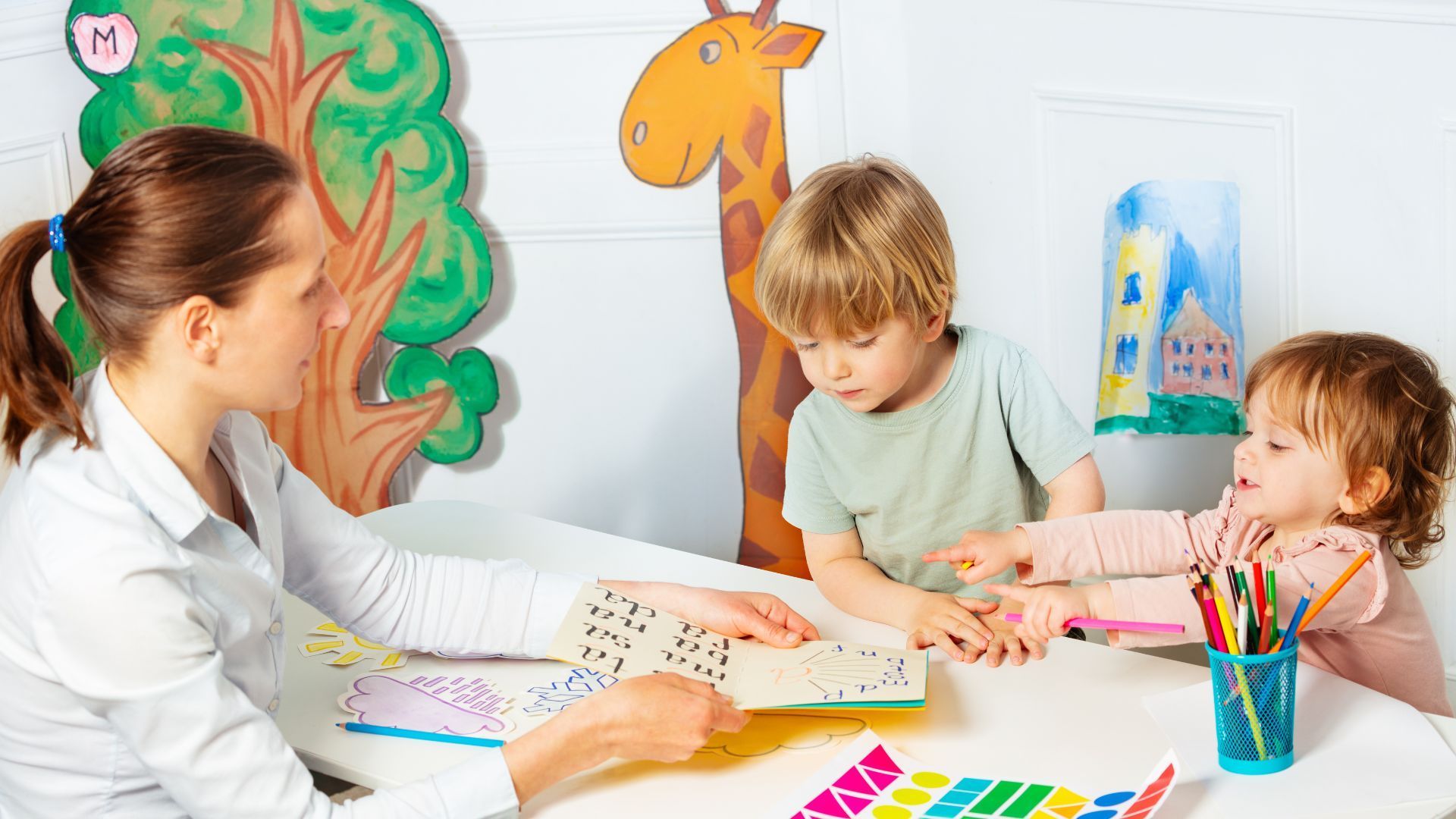
Learning may happen through structured activities, natural routines, play, communication opportunities, and everyday interactions.
At EOTS, clinical work should never feel sterile. The "spirit of fun" matters because connection and rapport are foundational to effective learning.
Measuring Progress
Data is an important part of evidence-based ABA.
Therapists use data to understand whether a child is making progress and whether a particular strategy is working.
But data is only part of the story.
At EOTS, we believe there is always "a child behind the data." Clinical information helps guide decisions, while the child's experience, relationships, preferences, and family priorities remain central.
How Can ABA Help Children With Autism?
ABA can support many of the skills children need to participate more fully in everyday life.
Communication
Communication is often one of the most important areas of support.
ABA may help children learn to:
- Request what they want
- Ask for help
- Express preferences
- Communicate discomfort
- Respond to others
- Participate in conversations or interactions
For some children, communication may include spoken language. For others, Augmentative and Alternative Communication (AAC) may be an important part of their communication system.
At EOTS, AAC is viewed as an evidence-based facilitator of communication. The goal is to give children a meaningful way to communicate and reduce the frustration that can occur when they do not yet have an effective voice.
Social Skills
Children also learn through relationships.
ABA can create opportunities to practice skills such as:
- Taking turns
- Sharing
- Playing with others
- Initiating interactions
- Responding to peers
- Understanding social expectations
The goal isn't to make every child interact in the same way. It is to help children develop meaningful connections and participate in social experiences in ways that work for them.
Adaptive and Daily Living Skills
Independence often grows from everyday skills that adults can easily take for granted.
ABA may support children in learning how to:
- Get dressed
- Follow a morning routine
- Eat independently
- Complete hygiene routines
- Clean up after activities
- Follow instructions
- Complete age-appropriate tasks
These small accomplishments can make a significant difference in a child's confidence and participation at home, school, and in the community.
Emotional Regulation
Some children have difficulty communicating when they are overwhelmed, frustrated, or upset.
ABA can help identify situations that create barriers to learning and teach children more functional ways to communicate their needs and navigate challenging moments.
The focus should not simply be on stopping a behavior.
Instead, the question becomes:
"What is this child communicating, and what skill can we teach to help?"
This reflects EOTS's commitment to creating a safe, judgment-free environment where challenging behavior is understood rather than judged.
Why Is Family Involvement So Important?
ABA therapy doesn't happen in isolation.
Children spend their days at home, school, therapy, and in their communities. For skills to become meaningful, they need opportunities to be practiced across these environments.
That's why EOTS takes a radically collaborative approach.
Caregiver training is a required component of therapy, helping families understand how to support their child's goals at home.
This can help children take skills learned during therapy and use them during everyday routines.
For example, a communication goal practiced during therapy can become an opportunity to request something during breakfast. A transition strategy can be practiced when leaving the house. A self-help skill can become part of the child's bedtime routine.
These everyday moments matter.
How Does ABA Work With Schools?
School is another important part of a child's life.
EOTS believes success is a team sport, which means collaboration can extend beyond the therapy setting.
With appropriate collaboration and authorization, ABA providers can work alongside educational teams to support consistency across environments. This may include:
- Functional Behavior Assessments (FBAs)
- Behavior Intervention Plans (BIPs)
- Communication about treatment goals
- Staff training
- Strategies that support skill generalization
The goal is to help children use meaningful skills in real-world environments—not simply demonstrate them during therapy.
Is ABA Therapy a Forever Service?
One of the most important things parents should understand about EOTS is that ABA is not viewed as a forever service.
Independence is the North Star.
Our goal is to teach children skills that help them become increasingly independent rather than creating lifelong dependence on therapy. EOTS begins planning for the "exit" from intensive services from day one.
That means success isn't measured by how long a child stays in therapy.
It is measured by meaningful progress.
Can the child communicate more effectively?
Can they participate more independently?
Can they navigate daily routines?
Can they build relationships?
Can they advocate for their needs?
These are the outcomes that matter.
Is ABA the Same for Every Child?
Absolutely not.
Every child has different strengths, communication abilities, interests, challenges, and family circumstances.
That's why individualized care is so important.
At EOTS, treatment plans are designed around the priorities of the child and family rather than forcing every child into the same program.
A child's interests can also become powerful teaching opportunities. When therapy incorporates play, connection, and the things a child genuinely enjoys, learning can become more engaging and meaningful.
What Should Parents Look for in an ABA Provider?
If you're considering ABA therapy, look for a provider that:
- Uses evidence-based practices
- Creates individualized treatment plans
- Includes parents and caregivers
- Measures meaningful progress
- Collaborates with schools and other professionals
- Prioritizes communication and connection
- Uses play and rapport as part of learning
- Respects your child's individuality
- Focuses on real-world skills
- Keeps independence at the center
Perhaps most importantly, choose a provider that makes you feel heard.
At EOTS, our "fellow parent" lens asks a simple question:
"Is this the level of care I would demand for my own child?"
Frequently Asked Questions
What does ABA therapy teach?
ABA therapy can teach a variety of meaningful skills, including communication, social interaction, adaptive skills, emotional regulation, learning readiness, and independence.
Does ABA therapy only focus on behavior?
No. A comprehensive ABA approach can address communication, social skills, adaptive skills, learning, and independence in addition to behavior.
How long does ABA therapy take?
There is no universal timeline. The duration and intensity of therapy depend on the individual child's needs, goals, progress, and circumstances. At EOTS, the focus is on meaningful progress toward independence rather than keeping children in therapy indefinitely.
Does ABA therapy replace speech therapy?
ABA and speech therapy can complement one another. EOTS specifically emphasizes the synergy between ABA and in-house Speech therapy to support comprehensive communication development.
Can parents participate in ABA therapy?
Yes. Parent and caregiver participation is an important part of the EOTS approach. Caregiver training helps families support their child's goals and promote the use of skills in everyday environments.
Conclusion
So, what is ABA therapy and how does it help children with autism?
At its best, ABA is about much more than changing behavior. It is about helping children develop meaningful skills that allow them to communicate, connect, participate, and become more independent.
At Everything On The Spectrum, we combine evidence-based practice with clinical warmth. We look at the whole child rather than focusing only on a diagnosis or a behavior. We create small stepping stone goals, involve families, encourage collaboration, and keep the child's long-term independence at the center of treatment.
Most importantly, we want families to know that they don't have to navigate this journey alone.
There is a child behind all of the data.
And our job is to see that child, support that family, and help build the skills that can make greater independence possible.
Take the Next Step
If you're considering ABA therapy for your child, you don't have to have all the answers before reaching out.
Everything On The Spectrum is here to walk alongside your family with compassionate, individualized, evidence-based support.
Contact us today to learn more about our ABA therapy services and discover how we can help your child build communication, connection, confidence, and greater independence.