The Benefits of In Home ABA Therapy for Huntsville Families
For many families in Huntsville, finding the right support for a child with autism or developmental delays can feel overwhelming. You want something that works—not just in a clinic, but in your child’s everyday life.
That’s where in-home ABA therapy is making a meaningful difference. Instead of separating learning from daily routines, this approach brings therapy directly into your child’s natural environment—where real growth happens.
At Everything On The Spectrum (EOTS), we believe progress should not stay inside four walls. It should show up at the dinner table, during playtime, and in everyday moments that matter most.
What Is In-Home ABA Therapy?
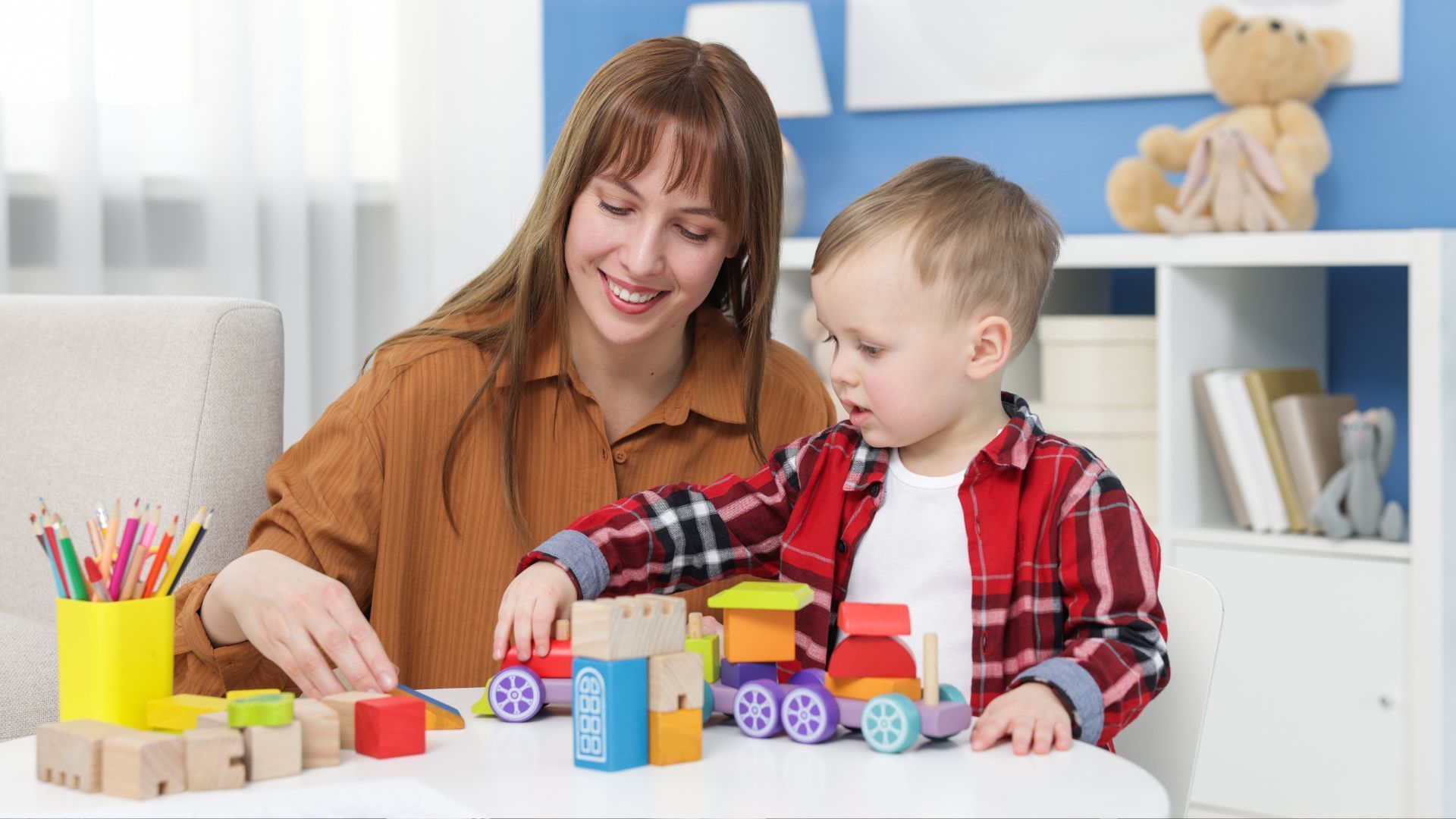
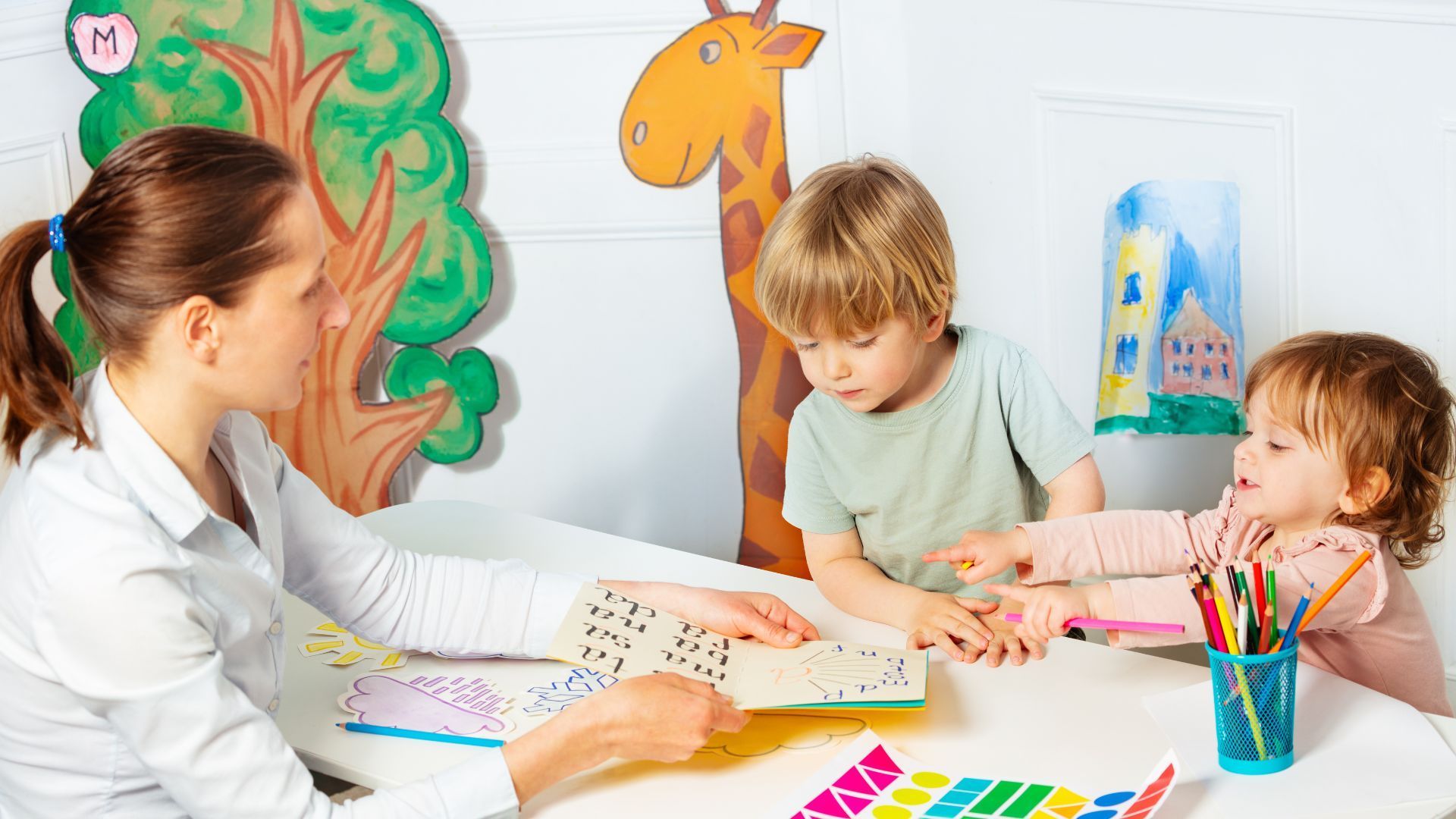
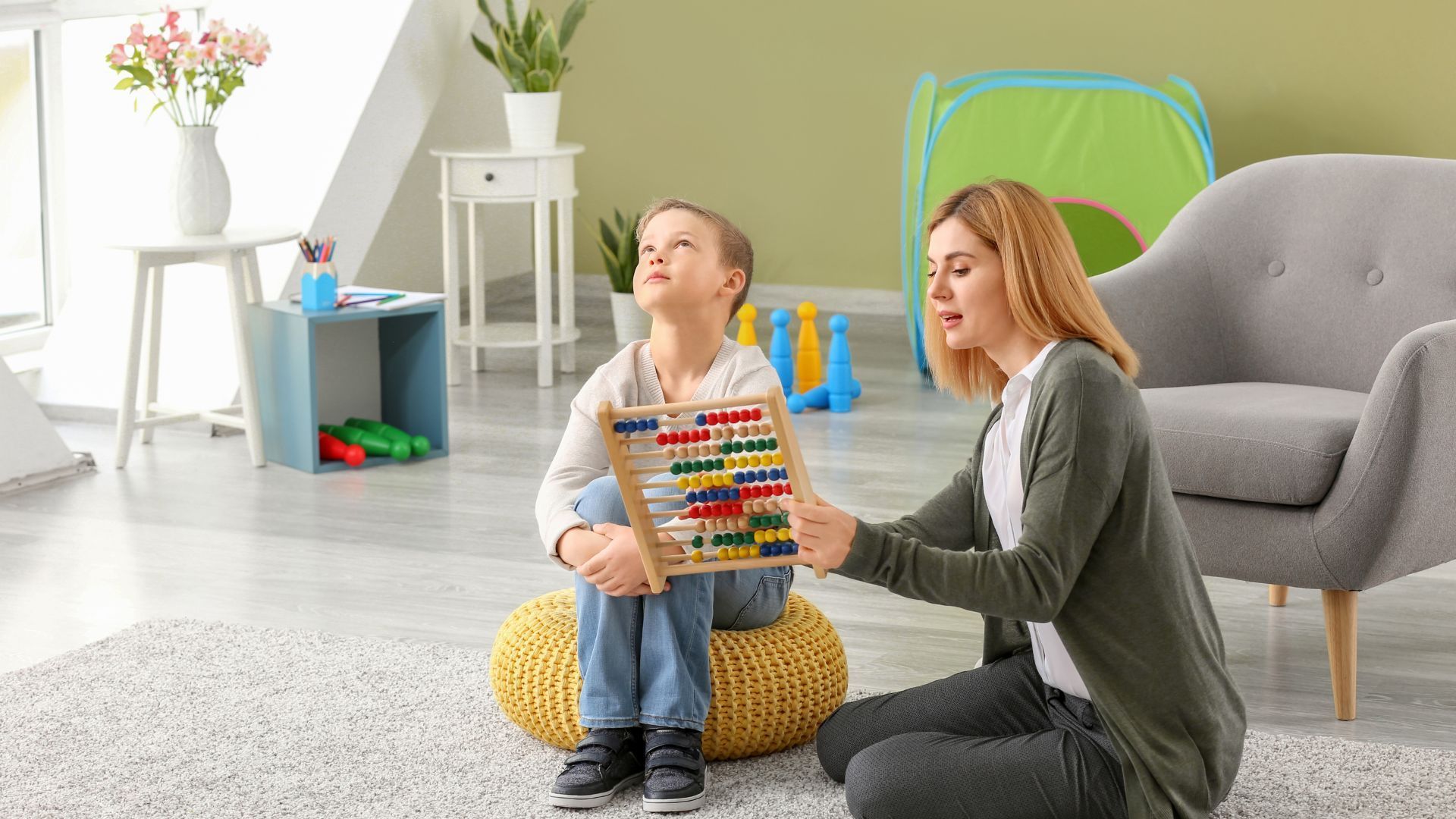
In-home ABA (Applied Behavior Analysis) therapy is a personalized, evidence-based service delivered directly in your home. Therapists work one-on-one with your child in familiar surroundings to build essential skills such as:
- Communication
- Social interaction
- Daily living skills
- Behavior regulation
But more importantly, it allows children to learn in the exact environment where those skills are needed most.
Why Huntsville Families Are Choosing In-Home ABA Therapy
1. Learning Happens Where Life Happens
One of the biggest advantages of in-home ABA therapy is that it removes the gap between learning and real life.
Instead of practicing skills in a clinic and hoping they transfer, children are learning:
- How to communicate during meals
- How to follow routines at home
- How to navigate real-life transitions
This leads to stronger, more consistent progress because skills are immediately applied in meaningful contexts.
2. Builds True Independence
At EOTS, independence is not just a goal—it is the foundation of everything we do.
In-home therapy allows children to practice real-life skills such as:
- Getting dressed independently
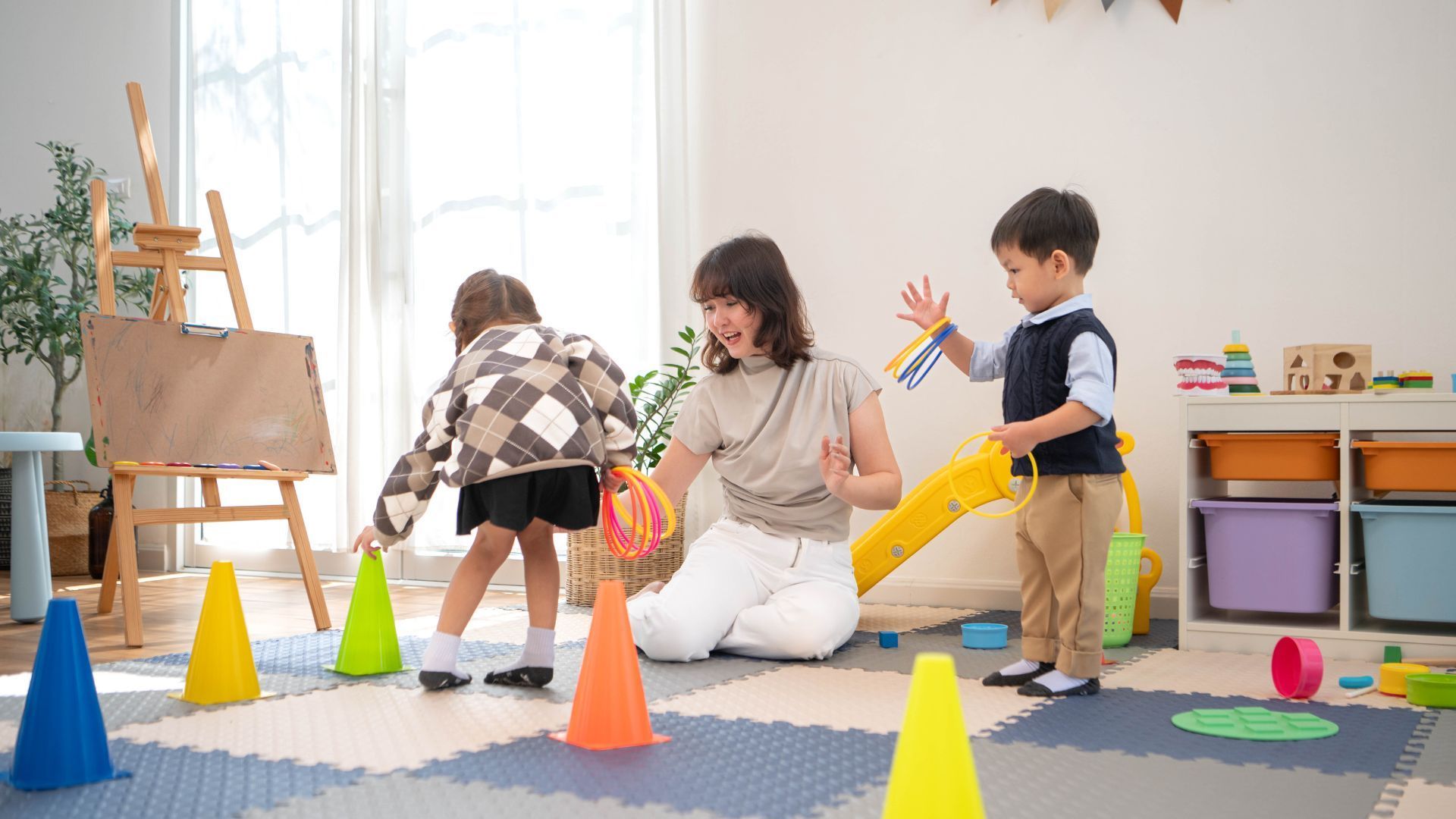
- Cleaning up toys
- Following household routines
- Asking for help appropriately
These are not abstract goals—they are the building blocks of long-term independence.
As we often say:
“We’ve got to teach them how to do things for themselves, not just do things for them.”
3. Personalized, Non-Cookie-Cutter Care
Every child is different, and their therapy should reflect that.
In-home ABA therapy allows for highly individualized programming that aligns with:
- Your child’s strengths and challenges
- Your family’s routines and priorities
- Real-life situations unique to your home
This ensures therapy is not only effective—but also relevant and meaningful.
4. Stronger Family Involvement
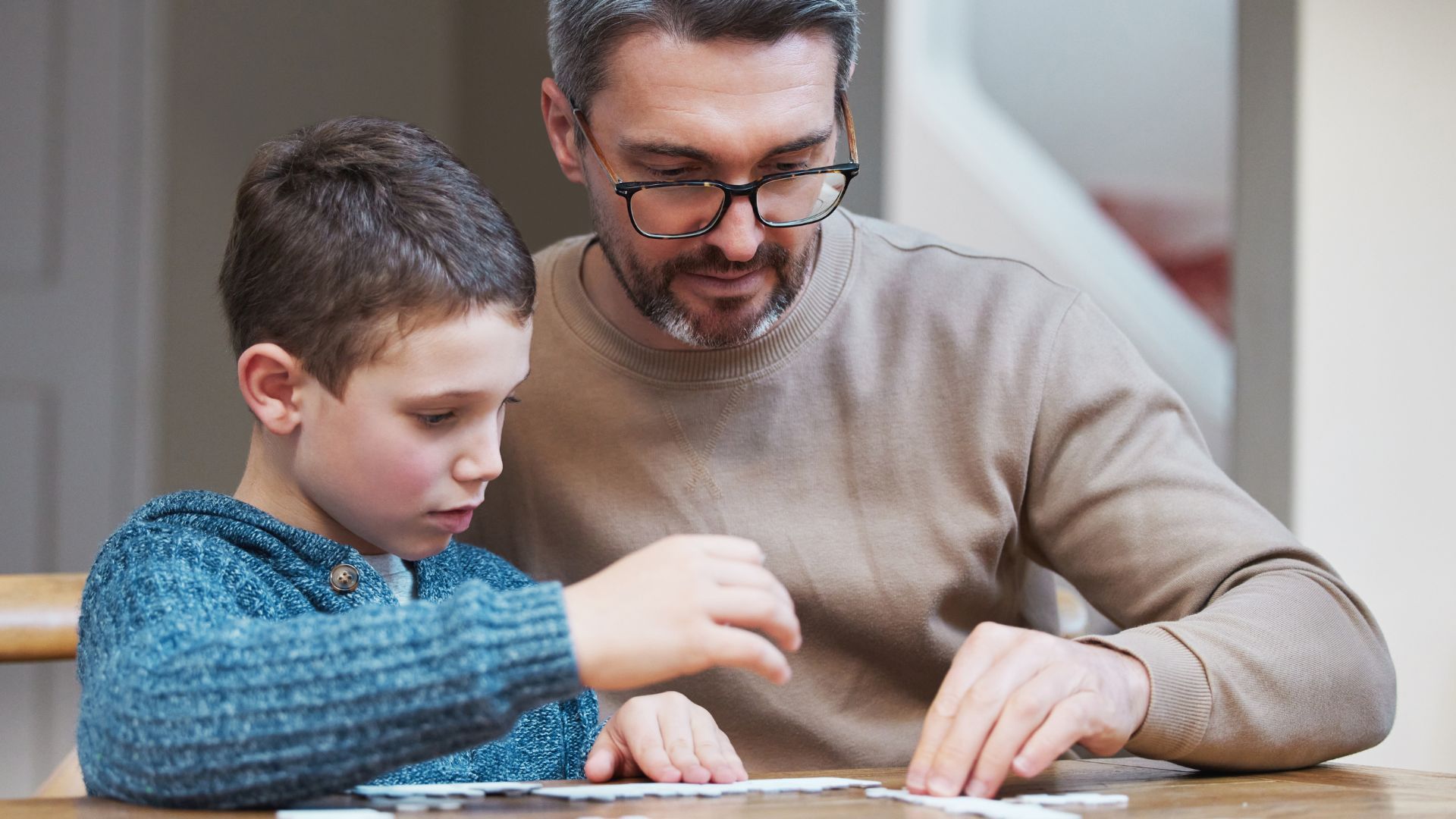
One of the most powerful aspects of in-home ABA therapy is the opportunity for caregiver involvement.
Parents and caregivers are not on the sidelines—they are active participants. This includes:
- Learning strategies to support their child
- Practicing techniques alongside therapists
- Building confidence in handling challenges
At EOTS, we view families as essential partners. Progress happens faster and lasts longer when everyone is working together.
5. Reduces Stress and Increases Comfort
For many children, traveling to a clinic can be stressful or overwhelming. In-home therapy removes that barrier by allowing children to learn in a space where they feel safe and comfortable.
This often leads to:
- Faster rapport building
- Increased engagement
- Reduced anxiety during sessions
When a child feels secure, they are more open to learning and trying new skills.
6. Supports Real-Life Behavior Change
Behavior is context-dependent—it looks different depending on the environment.
In-home ABA therapy allows therapists to:
- Observe behaviors in real-time situations
- Identify triggers within the home environment
- Teach alternative responses in the moment
This leads to more effective and lasting behavior change because strategies are tailored to real-life scenarios.
What Skills Can Be Developed Through In-Home ABA?
In-home ABA therapy supports a wide range of developmental areas, including:
Communication Skills
- Requesting needs and wants
- Using words, gestures, or AAC tools
- Reducing frustration through expression
Daily Living Skills
- Dressing, feeding, and hygiene
- Following routines
- Completing simple tasks independently
Social Skills
- Engaging with family members
- Taking turns
- Building connection and rapport
Behavior Regulation
- Managing frustration
- Transitioning between activities
- Learning coping strategies
Each skill is broken down into small stepping stone goals, making progress achievable and measurable.
How to Get Started with In-Home ABA Therapy
If you’re considering in-home ABA therapy in Huntsville, here are simple next steps:
- Schedule an initial consultation
Speak with a provider to discuss your child’s needs. - Complete a comprehensive assessment
This helps identify skill gaps and priorities. - Develop a personalized treatment plan
Goals are tailored to your child and family. - Begin therapy with ongoing support
Programs are continuously adjusted based on progress.
Why It Matters: The Bigger Picture
At Everything On The Spectrum, we always come back to one question:
“Is this helping the child become more independent?”
In-home ABA therapy aligns perfectly with this mission because it focuses on real-world application—not just skill acquisition.
It’s not about perfection. It’s about progress that shows up in everyday life.
Conclusion
The benefits of in-home ABA therapy for families in Huntsville go far beyond convenience. It provides a personalized, practical, and deeply effective way to help children build communication, behavior, and life skills where they matter most—at home.
By focusing on independence, collaboration, and meaningful progress, in-home ABA therapy creates lasting change that extends into every part of a child’s life.
Bring Meaningful Progress Into Your Home
If you’re ready to explore how in-home ABA therapy can support your child’s growth, Everything On The Spectrum is here to guide you every step of the way.
Contact us today to learn how we can create a personalized, in-home ABA program that builds independence, confidence, and real-life success for your child.