How ABA Therapy Works With Local Schools in Huntsville, AL
When parents begin ABA therapy for their child, one of the biggest questions they often ask is: "Will these skills carry over into the classroom?"
The answer should always be yes.
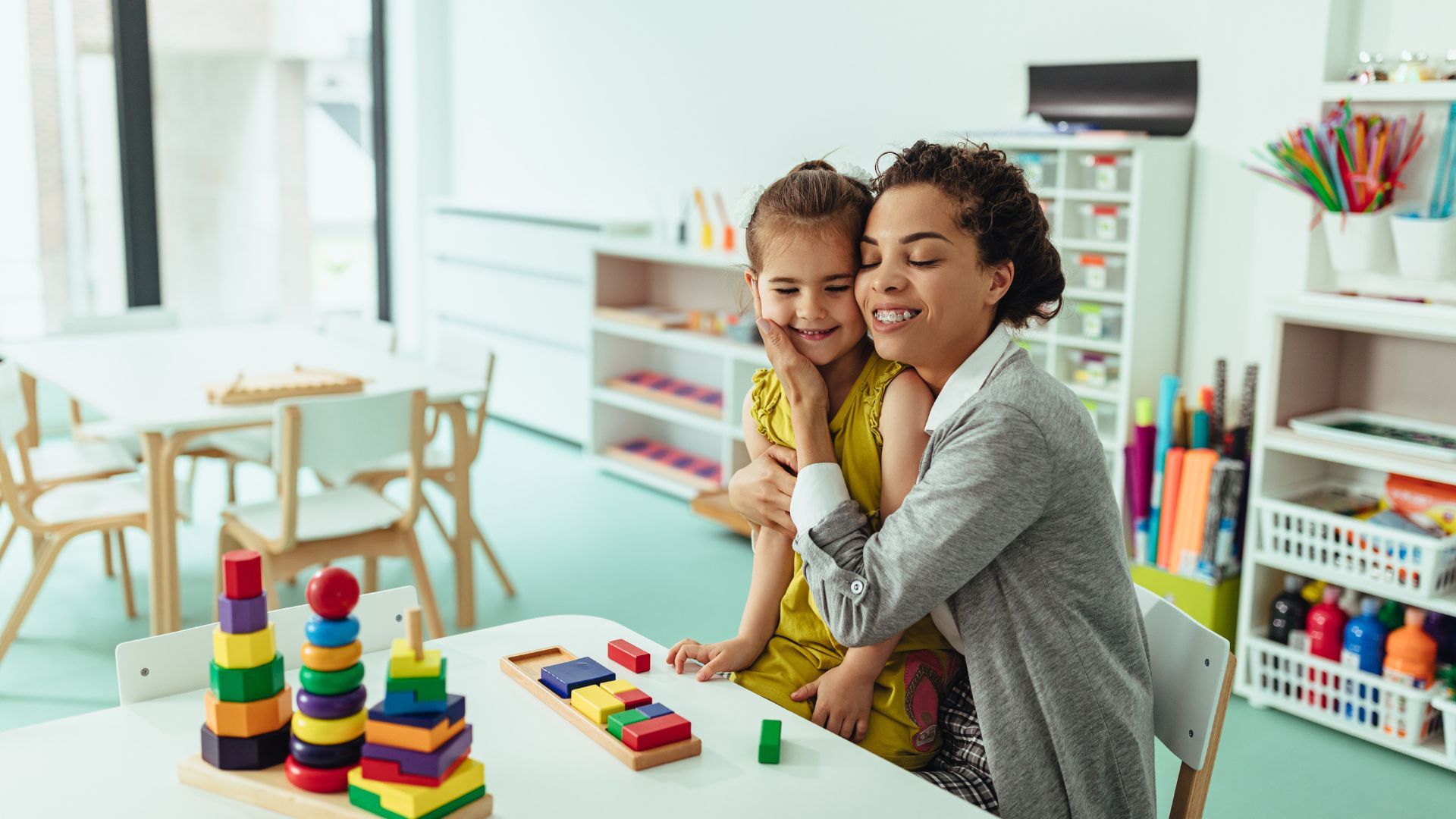
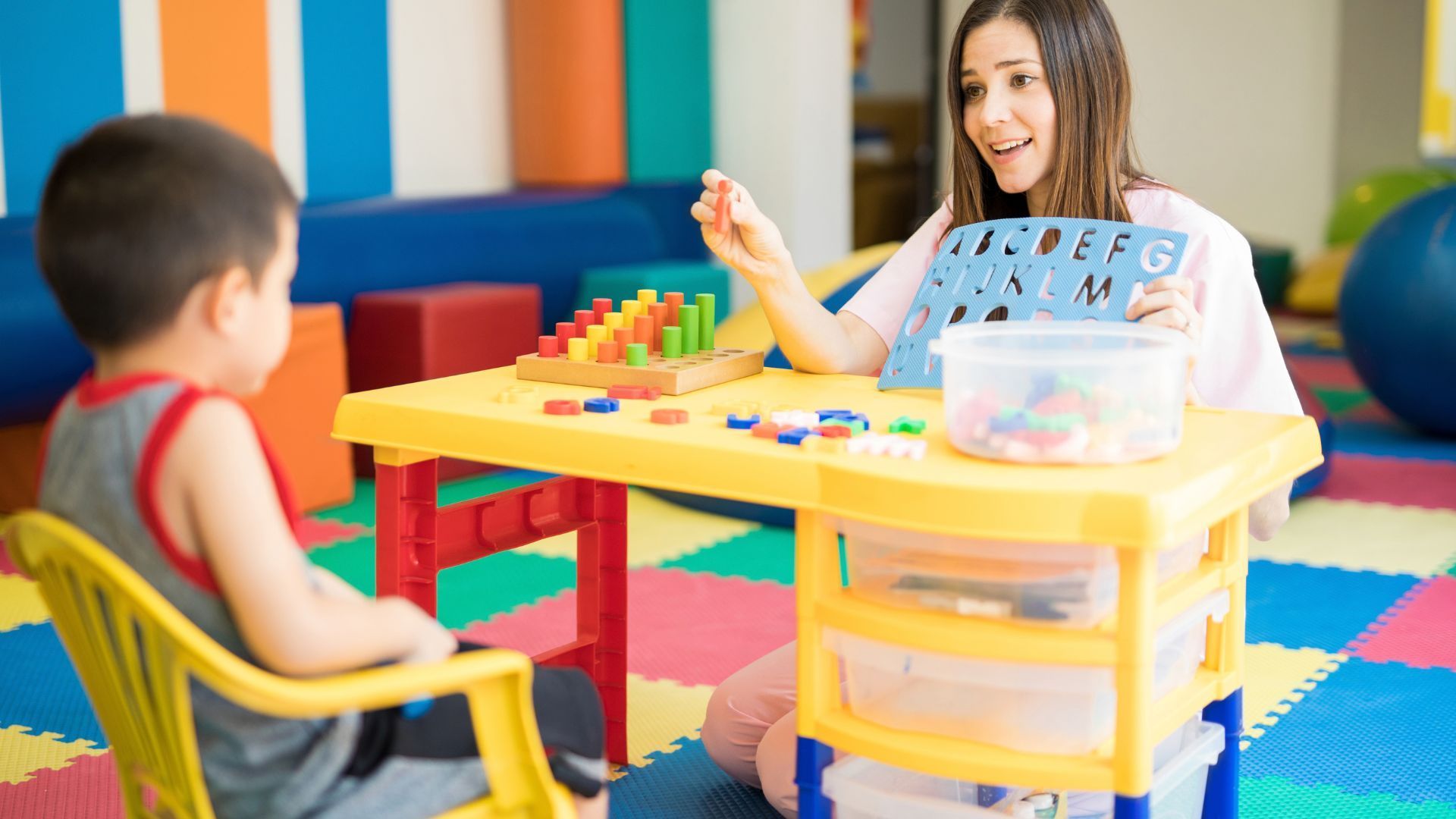
At Everything On The Spectrum (EOTS), we believe progress is most meaningful when it extends beyond the therapy setting and into everyday life. Children spend a significant portion of their day at school, making collaboration between ABA providers, educators, and families essential for long-term success.
For families in Huntsville, ABA therapy is not just about helping children succeed during sessions. It's about helping them build the communication, social, behavioral, and independence skills needed to thrive in the classroom, on the playground, and throughout their community.
Why School Collaboration Matters
Children learn best when the adults supporting them are working toward the same goals.
When ABA therapists, teachers, school staff, and caregivers collaborate, children receive:
- Consistent expectations across environments
- Reinforcement of the same skills throughout the day
- Better support for communication and behavior needs
- Stronger opportunities for independence
Without collaboration, children may learn a skill in therapy but struggle to apply it in school.
At EOTS, we believe that if skills aren't translating outside of therapy, our work isn't finished.
What Does School Collaboration Look Like?
Many parents are surprised to learn how involved ABA providers can be in supporting educational success.
Collaboration may include:
Regular Communication With School Teams
ABA therapists may work directly with:
- Teachers
- Special education staff
- School counselors
- Administrators
- Related service providers
This communication helps ensure everyone understands the child's goals, strengths, and support needs.
When school and therapy teams share information, they can identify what strategies are working and where additional support may be needed.
Functional Behavior Assessments (FBAs)
Sometimes challenging behaviors occur primarily in school settings.
In these situations, ABA professionals may assist with or collaborate on a Functional Behavior Assessment (FBA).
An FBA helps determine:
- Why a behavior is occurring
- What triggers the behavior
- What the child may be communicating through the behavior
- Which supports are most effective
At EOTS, we always remember that behavior serves a purpose. There is a child behind all of the data, and understanding the "why" is critical to helping that child succeed.
Behavior Intervention Plans (BIPs)
Once the reasons behind behaviors are understood, teams can create Behavior Intervention Plans (BIPs).
These plans provide:
- Proactive support strategies
- Clear expectations
- Consistent responses from adults
- Teaching opportunities for replacement skills
Rather than focusing solely on stopping behaviors, effective BIPs focus on teaching children new skills that help them navigate challenges more successfully.
Supporting Communication in the Classroom
Communication challenges often impact a child's ability to participate fully in school.
ABA therapy helps children develop functional communication skills that can support:
- Asking for help
- Following directions
- Participating in group activities
- Interacting with peers
- Expressing wants, needs, and emotions
For some children, this may involve the use of AAC (Augmentative and Alternative Communication).
One common misconception is that AAC prevents speech development. Research consistently shows the opposite.
AAC serves as an evidence-based facilitator of communication, helping children reduce frustration and build meaningful connections while supporting language growth.
Helping Children Build School-Ready Confidence
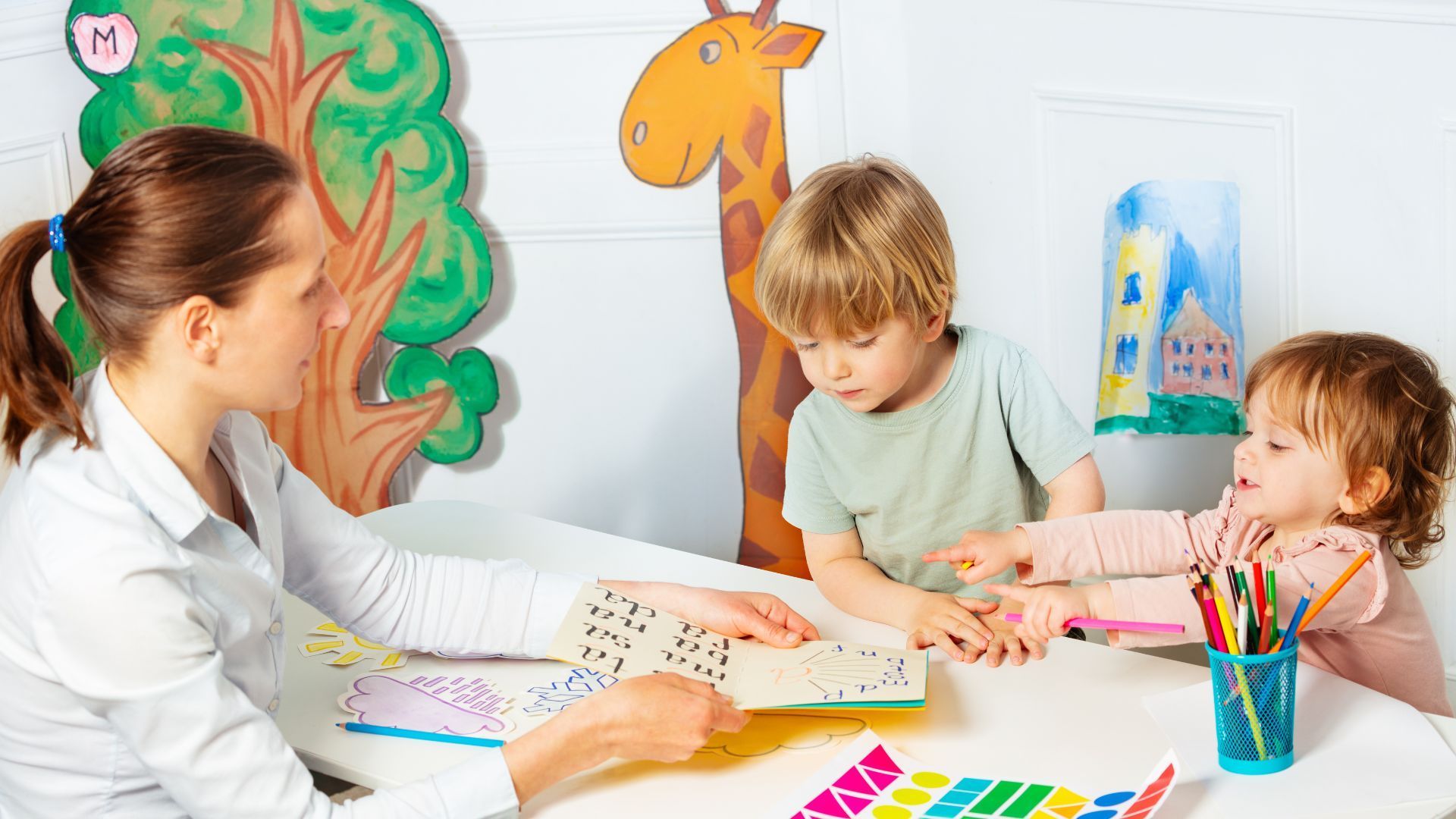
At EOTS, we focus on helping children develop the skills necessary to participate successfully in educational environments.
These skills may include:
Following Classroom Routines
Children learn how to:
- Transition between activities
- Follow schedules
- Respond to teacher instructions
- Participate in structured learning
Social Interaction Skills
Many children benefit from direct support in areas such as:
- Taking turns
- Sharing materials
- Joining peer activities
- Understanding social cues
Strong social skills create opportunities for connection, friendships, and confidence throughout the school day.
Emotional Regulation
School environments can be overwhelming for some children.
ABA therapy helps children learn:
- Coping strategies
- Self-regulation techniques
- Appropriate ways to request breaks
- Flexible responses to changes in routine
These skills often lead to greater participation and reduced frustration throughout the school day.

The Role of Caregivers in School Success
One of the core values at EOTS is radical collaboration.
Success is a team sport.
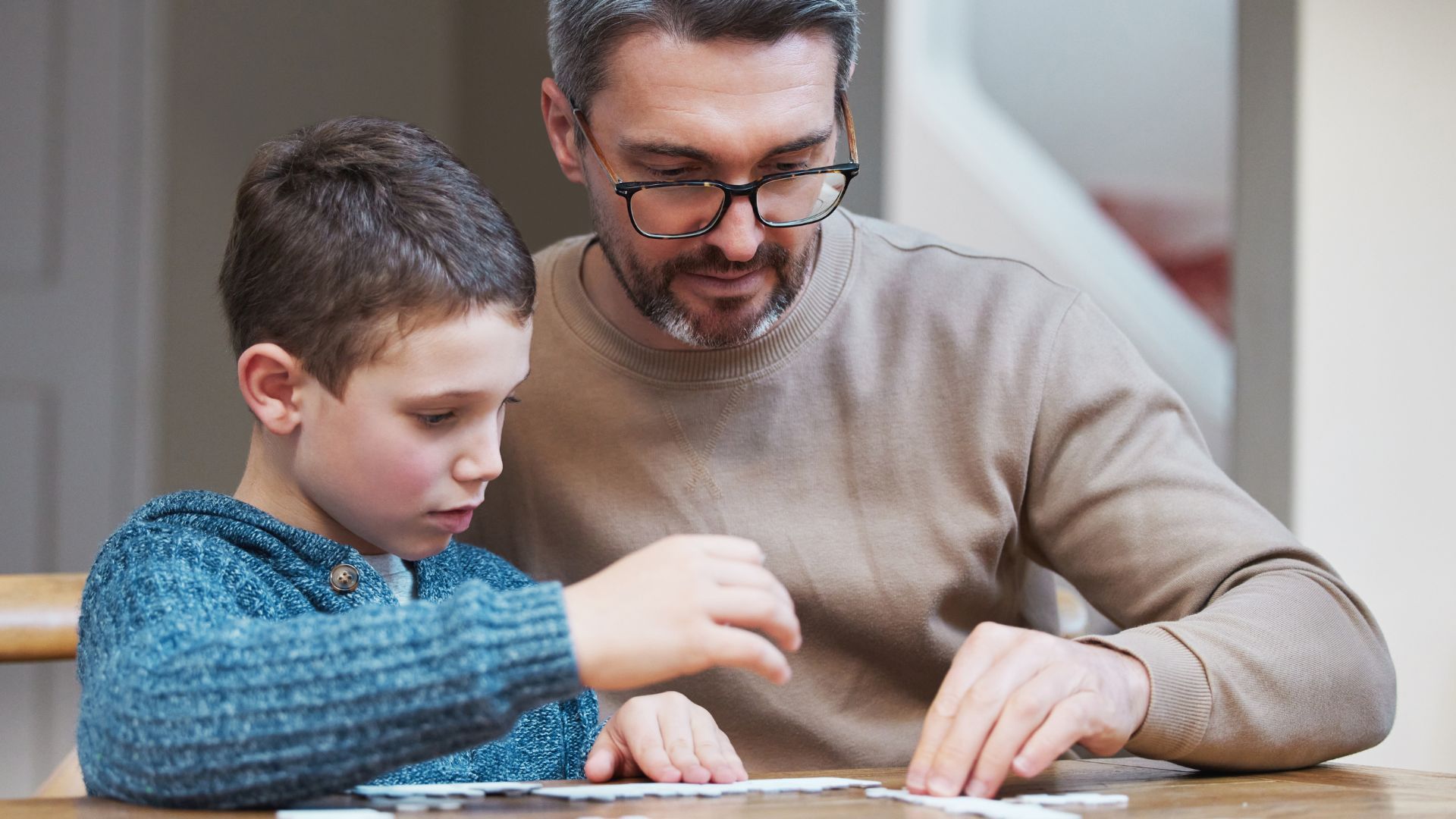
Parents and caregivers play a critical role in helping children generalize skills across home, therapy, and school environments.
When families, educators, and therapists work together, children experience:
- Greater consistency
- Faster skill acquisition
- Stronger confidence
- More meaningful independence
This wrap-around approach creates a support system that extends far beyond any single setting.
Why Huntsville Families Value School-Based Collaboration
Families throughout Huntsville increasingly recognize that successful ABA therapy is not limited to clinic sessions.
They want support that helps children:
- Participate successfully in school
- Build meaningful relationships
- Develop communication skills
- Increase independence
- Prepare for future success
By partnering with local schools, ABA providers help bridge the gap between therapy goals and everyday experiences.
The Bigger Goal: Independence
Everything we do at EOTS comes back to one guiding principle: independence.
School collaboration is not simply about improving classroom behavior or academic performance. It is about helping children learn the skills they need to navigate life more independently.
We start planning for that future from day one.
As Ann Landers famously said:
"It is not what you do for your children, but what you have taught them to do for themselves."
That philosophy remains at the heart of every partnership we build with families and schools.
Conclusion
ABA therapy and school collaboration work hand in hand to create meaningful, lasting progress for children in Huntsville.
Through communication, educational advocacy, Functional Behavior Assessments, Behavior Intervention Plans, and caregiver involvement, children receive consistent support across every environment that matters.
When families, educators, and therapists work together, children gain more than skills—they gain confidence, connection, and greater independence for the future.
Let's Build a Strong Support Team Around Your Child
Your child deserves consistent support at home, in therapy, and in the classroom. At Everything On The Spectrum, we partner with families and local schools to help children build meaningful skills that last far beyond a therapy session.
Contact our team today to learn how our ABA services can support your child's success at school, at home, and throughout their journey toward greater independence.