How ABA Therapy Helps Children with Autism Build Confidence?
For many families, finding the right support system after an autism diagnosis can feel overwhelming. One of the most widely recommended evidence-based approaches is ABA therapy for autism, a structured method designed to help children develop important life skills, improve communication, and gain confidence in everyday situations.
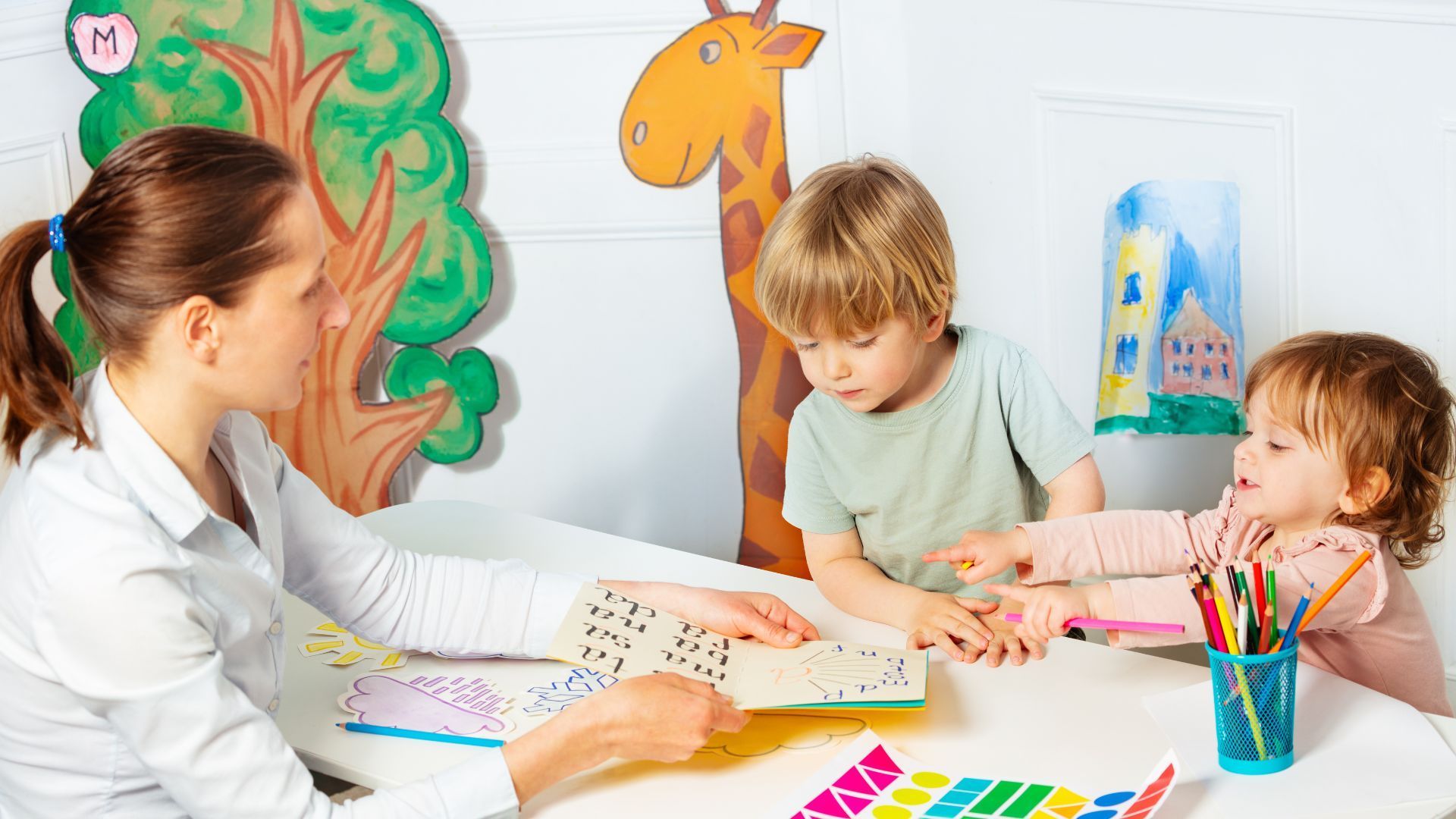
Applied Behavior Analysis (ABA) focuses on understanding behavior and teaching new skills through positive reinforcement and structured guidance. With the help of trained therapists, children with Autism Spectrum Disorder (ASD) can learn how to navigate social interactions, daily routines, and learning environments more effectively.
In this guide, we’ll explore how ABA therapy works, why it is effective, and how it helps children with autism grow into more confident and independent individuals.
What Is ABA Therapy for Autism?
ABA therapy for autism (Applied Behavior Analysis) is a scientifically supported therapy that focuses on improving specific behaviors such as communication, learning, social skills, and daily living activities.
The therapy works by breaking down complex skills into smaller, manageable steps and reinforcing positive behaviors through rewards and encouragement.
Key principles of ABA therapy include:
- Positive reinforcement: Rewarding desired behaviors to encourage repetition
- Structured learning: Teaching skills step-by-step in manageable stages
- Data-driven strategies: Tracking progress and adjusting methods accordingly
- Individualized programs: Tailoring therapy to each child’s unique needs
Because of its strong research foundation, ABA is considered one of the most effective therapies for children diagnosed with autism.
Is ABA Therapy Only for Autism?
Many parents ask, “Is ABA therapy only for autism?”
The short answer is no. While ABA therapy is most commonly used to support children with autism, it can also help individuals with other developmental or behavioral challenges.
ABA techniques are sometimes used to support:
- ADHD and attention challenges
- Developmental delays
- Behavioral difficulties in school
- Social communication challenges
However, ABA therapy has been especially impactful for children with Autism Spectrum Disorder because it addresses many core developmental areas affected by autism.
How ABA Therapy Helps Children Build Confidence
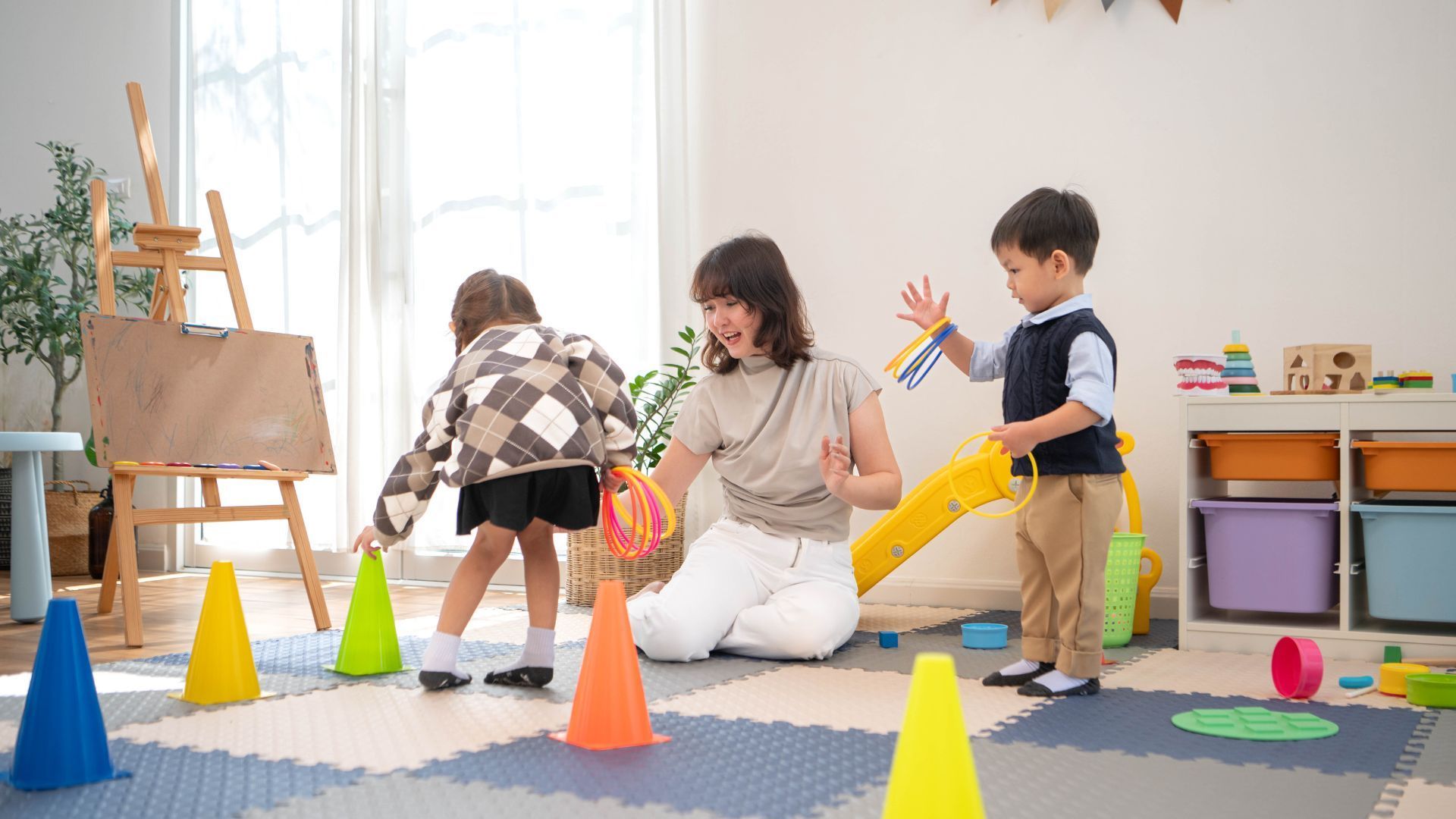
Confidence often grows when children learn new skills and experience success. ABA therapy helps build that confidence by teaching children how to communicate, interact, and solve problems in structured ways.
1. Improving Communication Skills
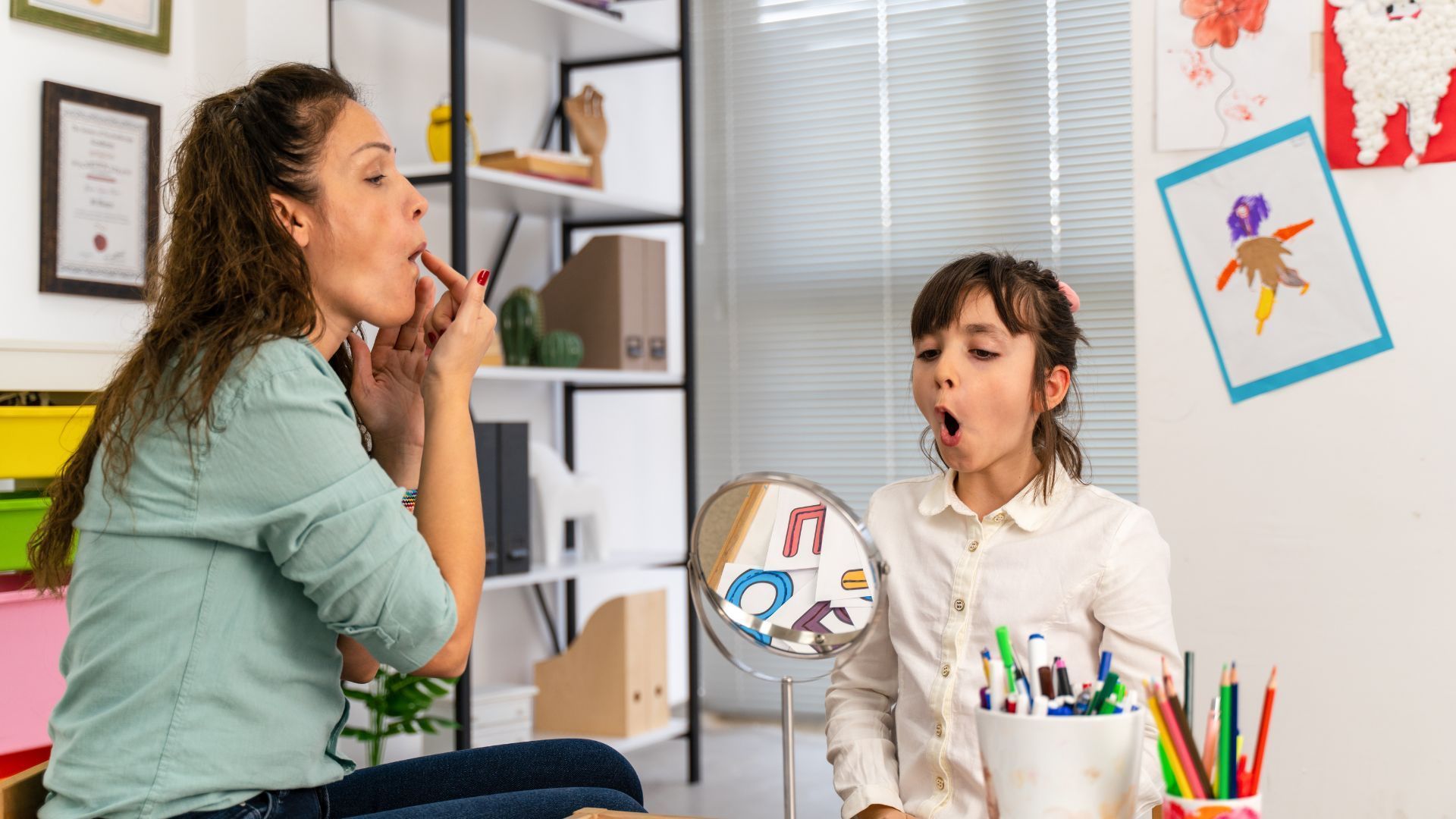
Communication difficulties are common for children with autism. ABA therapy helps children express their needs more clearly through:
- Speech development
- Alternative communication methods
- Understanding social cues
- Improving listening skills
When children can communicate effectively, they feel more understood and confident in social situations.
2. Developing Social Interaction Skills
Social interaction can be challenging for many children on the autism spectrum. ABA therapy teaches important skills such as:
- Making eye contact
- Taking turns in conversations
- Recognizing emotions
- Playing cooperatively with peers
These skills help children feel more comfortable interacting with others at home, school, and in the community.
3. Teaching Independence and Daily Life Skills
Another key benefit of ABA therapy for autism is helping children develop everyday life skills that support independence.
Examples include:
- Brushing teeth
- Getting dressed
- Following routines
- Completing simple tasks independently
As children master these tasks, their confidence grows because they begin to feel capable and self-reliant.
4. Reducing Challenging Behaviors
Children with autism may sometimes display challenging behaviors due to frustration, communication difficulties, or sensory overload.
ABA therapists work to identify the cause of behaviors and teach healthier alternatives, such as:
- Requesting help
- Using words or visual tools
- Practicing calming strategies
As children gain better control over their behavior, they often experience improved emotional regulation and self-confidence.
Practical Tips for Parents Supporting ABA Therapy
Parents play an important role in reinforcing therapy progress at home. Here are some simple strategies to support your child’s development.
1. Be Consistent
Consistency helps children understand expectations. Reinforce positive behaviors using the same cues and rewards used in therapy.
2. Celebrate Small Achievements
Every milestone matters. Praise and encouragement help motivate children to keep learning and trying new skills.
3. Create Structured Routines
Children with autism often thrive with predictable routines. Establish consistent daily schedules to support learning.
4. Work Closely With Therapists
Regular communication with ABA therapists ensures everyone is aligned on goals, strategies, and progress.
5. Practice Skills in Real-Life Situations
Encourage your child to apply learned skills at home, school, and social settings.
For example:
- Practice greeting family members
- Encourage simple conversations
- Reinforce independent tasks
This real-world practice strengthens confidence.
Frequently Asked Questions About ABA Therapy
At what age should a child start ABA therapy?
ABA therapy can begin as early as 18 months to 2 years old, although children of any age can benefit. Early intervention often leads to stronger developmental progress.
How long does ABA therapy take to show results?
Every child is different. Some families notice improvements within a few months, while others see gradual progress over time. Consistency and individualized treatment plans play a major role.
Is ABA therapy personalized for each child?
Yes. ABA therapy programs are highly individualized, designed around the child’s specific strengths, challenges, and developmental goals.
Can ABA therapy help older children with autism?
Absolutely. Although early intervention is beneficial, ABA therapy for autism can support school-age children and teenagers by improving social, behavioral, and life skills.
Does ABA therapy involve parents?
Yes. Parent involvement is encouraged because it helps reinforce progress outside therapy sessions and supports long-term success.
Conclusion
This is paragraph text. Click it or hit the ManRaising a child with autism presents unique challenges, but with the right support, children can thrive. ABA therapy for autism provides a structured, evidence-based approach that helps children develop communication, social, and life skills while building confidence.
Through positive reinforcement, individualized programs, and consistent guidance, ABA therapy empowers children to reach meaningful milestones and gain greater independence. For many families, it becomes a vital part of helping their child grow, learn, and succeed.age Text button to change the font, color, size, format, and more. To set up site-wide paragraph and title styles, go to Site Theme.
Help Your Child Thrive with ABA Therapy
If you're looking for compassionate and professional support for your child, contact us now to learn how our personalized ABA therapy programs can help children with autism build confidence, develop essential life skills, and reach their full potential.
Contact us today to connect with our team and take the first step toward meaningful progress for your child.